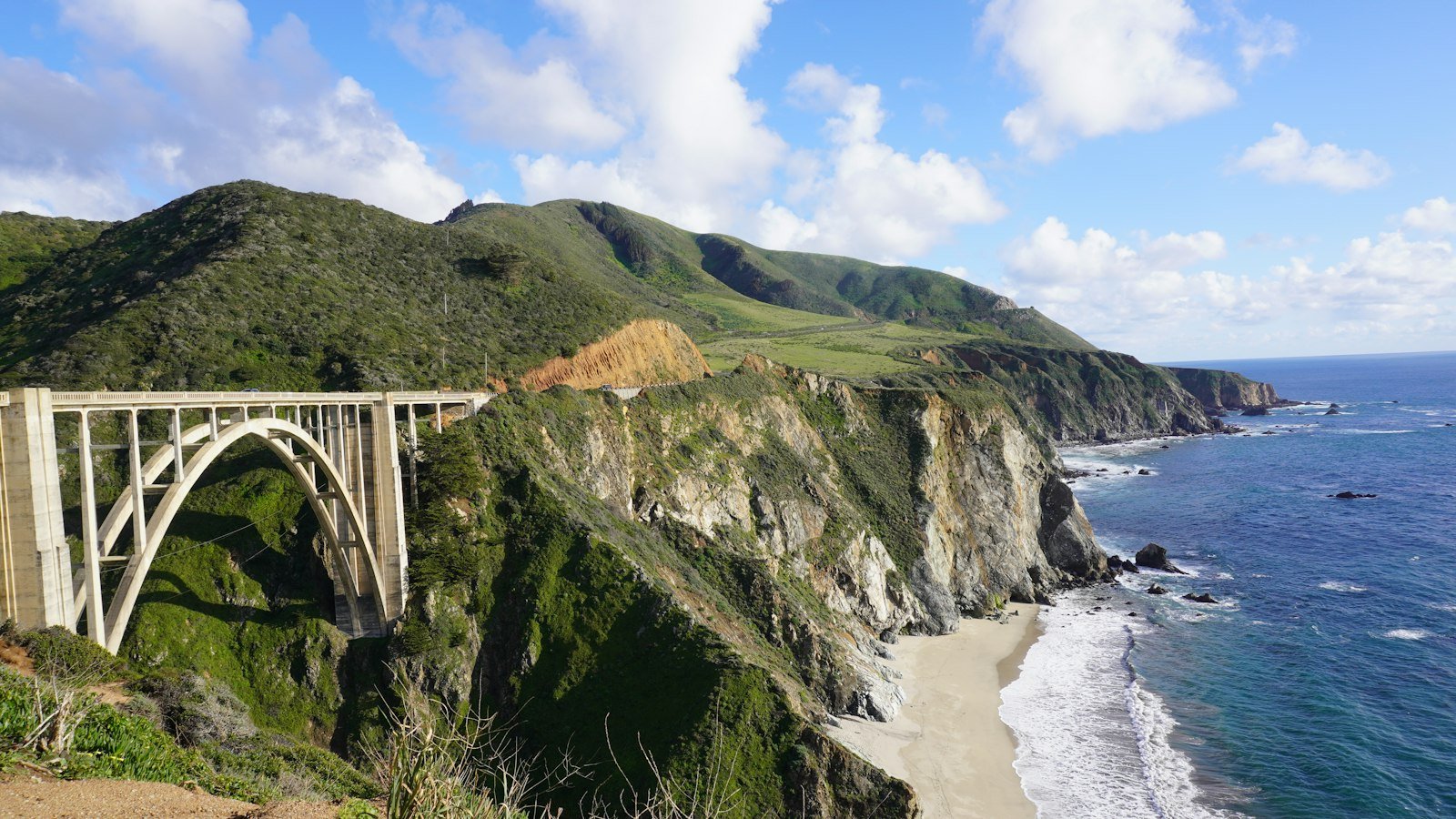
Driving California’s Pacific Coast Highway had been on my bucket list since I was a teenager watching American movies in Manila. When I finally did it, I booked a convertible (of course), picked it up at LAX and headed north with the roof down and my hair absolutely everywhere. It was every bit as dreamy as I had imagined.
What I had not imagined was the rental counter experience. By the time the agent had finished listing the insurance options, toll packages, fuel plans and upgrade offers, my “great deal” had nearly doubled. So here is everything I have learned about renting a car in California, especially if, like me, you are visiting from abroad.
Booking: where the savings really are
- Book early and keep checking. Most bookings with free cancellation let you rebook if the price drops. I saved a nice chunk by rebooking two weeks before my trip.
- Compare airport and city locations. Airport pickups include extra fees and taxes. A downtown branch can be noticeably cheaper, though less convenient after a long flight.
- Watch out for one-way fees. Picking up in Los Angeles and dropping off in San Francisco is the classic road trip, but one-way fees can be steep. Compare a few companies, as some charge far less than others.
- Under 25? Expect a daily young driver surcharge with most major companies.
Rental car insurance in the USA, decoded
This is the part that confuses almost every international traveler, so let me explain what the letters at the counter actually mean.
| Coverage | What it means | Do you need it? |
|---|---|---|
| CDW / LDW | Covers damage to or theft of the rental car itself | Yes, unless your credit card or travel insurance covers it |
| SLI (Supplemental Liability) | Covers damage or injury you cause to other people and property | Strongly recommended for foreign visitors |
| PAI / PEC | Personal accident and belongings cover | Often already covered by travel insurance |
| Roadside assistance | Lockouts, flat tires, dead batteries | Nice to have, not essential |
The big one for international visitors is liability. The minimum liability coverage required by law in California is quite low compared with what an accident can actually cost in the US. If you do not have a US auto insurance policy, I really recommend adding supplemental liability. I did, and it gave me real peace of mind on those winding cliff roads.
Wendy’s tip: Booking a package that already includes CDW and liability through a reputable comparison site or directly with the rental company is often cheaper than adding everything at the counter. Print or screenshot your confirmation so you can show exactly what you have already paid for.

Tolls: the sneaky extra cost
California has fewer toll roads than many US states, but they do exist, especially around the Bay Area bridges and some Southern California express lanes. Many are cashless, meaning cameras read your license plate and there is nowhere to stop and pay.
If you drive through one in a rental, the company will pay the toll and then charge you, often with an admin fee for each day you used a toll road, or for every day of your rental. The Golden Gate Bridge, for example, is fully electronic when heading into San Francisco. You can pay it yourself online shortly after crossing through the Golden Gate Bridge toll page if your rental company’s policy allows it. Ask about their toll program at the counter so there are no surprises.
Driving in California as a foreign visitor
- Bring your license and an International Driving Permit if your license is not in English. Some rental companies require it, and it helps if you are stopped.
- Right turn on red is allowed after a full stop unless a sign says otherwise. It took me three days to stop panicking every time someone honked at me.
- Four-way stop signs: Whoever arrives first goes first. If you arrive at the same time, the car on the right goes first.
- Carpool lanes (marked with a diamond) are only for vehicles with a minimum number of people. Check the sign before you use them.
- Gas stations often ask for a US ZIP code when you pay at the pump. Foreign cards usually will not work, so go inside and prepay a set amount instead.
Driving Highway 1: what to know
The drive along Highway 1 through Big Sur is breathtaking, with cliffs dropping straight down to the Pacific and pull-outs around every bend. It is also prone to landslides, and sections can be closed for long periods after winter storms. Before you set off, always check the Caltrans QuickMap for current road closures. On my trip, a closure meant a long detour inland, but knowing about it in advance saved us from a very unpleasant surprise.
Gas stations and phone signal are limited in Big Sur, so fill up in Monterey or San Luis Obispo and download offline maps before you go.
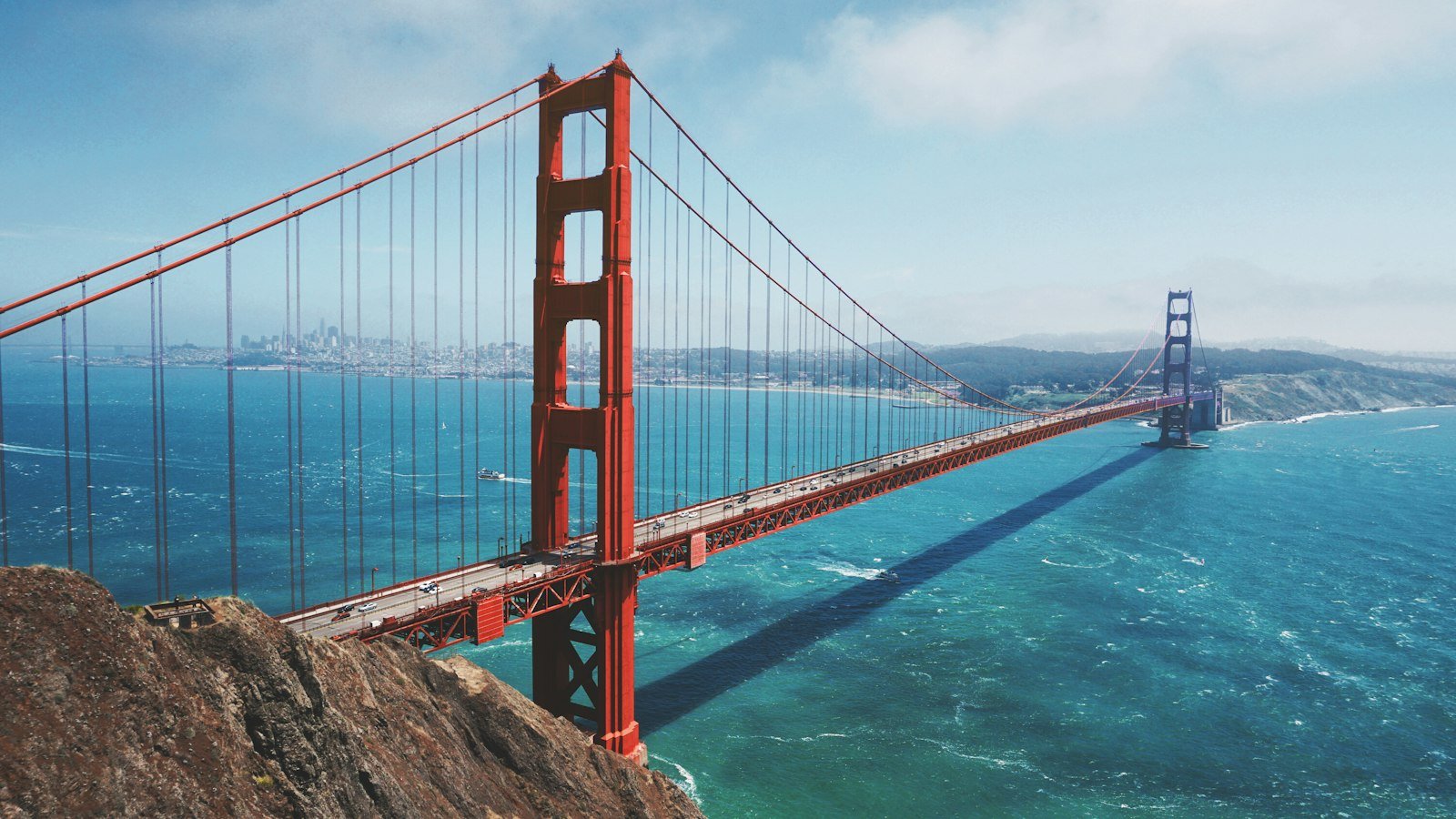
My 7-day California road trip route
- Los Angeles (2 nights)
- Santa Barbara (1 night)
- San Luis Obispo or Cambria (1 night)
- Big Sur and Carmel-by-the-Sea (1 night)
- San Francisco (2 nights), then return the car before exploring the city on foot
Please do not keep a car in San Francisco if you can avoid it. Parking is expensive and break-ins are unfortunately common. Never leave anything visible in your car there, not even a phone charger.
Returning your rental car
- Refuel near the drop-off location and keep the receipt
- Take photos and a video of the car, inside and out
- Get a closing receipt before you leave
- Check your credit card statement for later charges, such as tolls or damage claims
Final thoughts
Renting a car in California opened up a side of the state that I would never have seen from a tour bus: tiny beach towns, roadside fruit stands, elephant seals lazing on the sand and sunsets over the Pacific from a cliffside pull-out. Understand your insurance, ask about tolls and fees upfront, and check road conditions every morning. Then roll the windows down and enjoy the ride.
Road trips are my happy place. If you liked this guide, you will probably enjoy my tips for renting a car in Iceland, too.

Leave a Reply