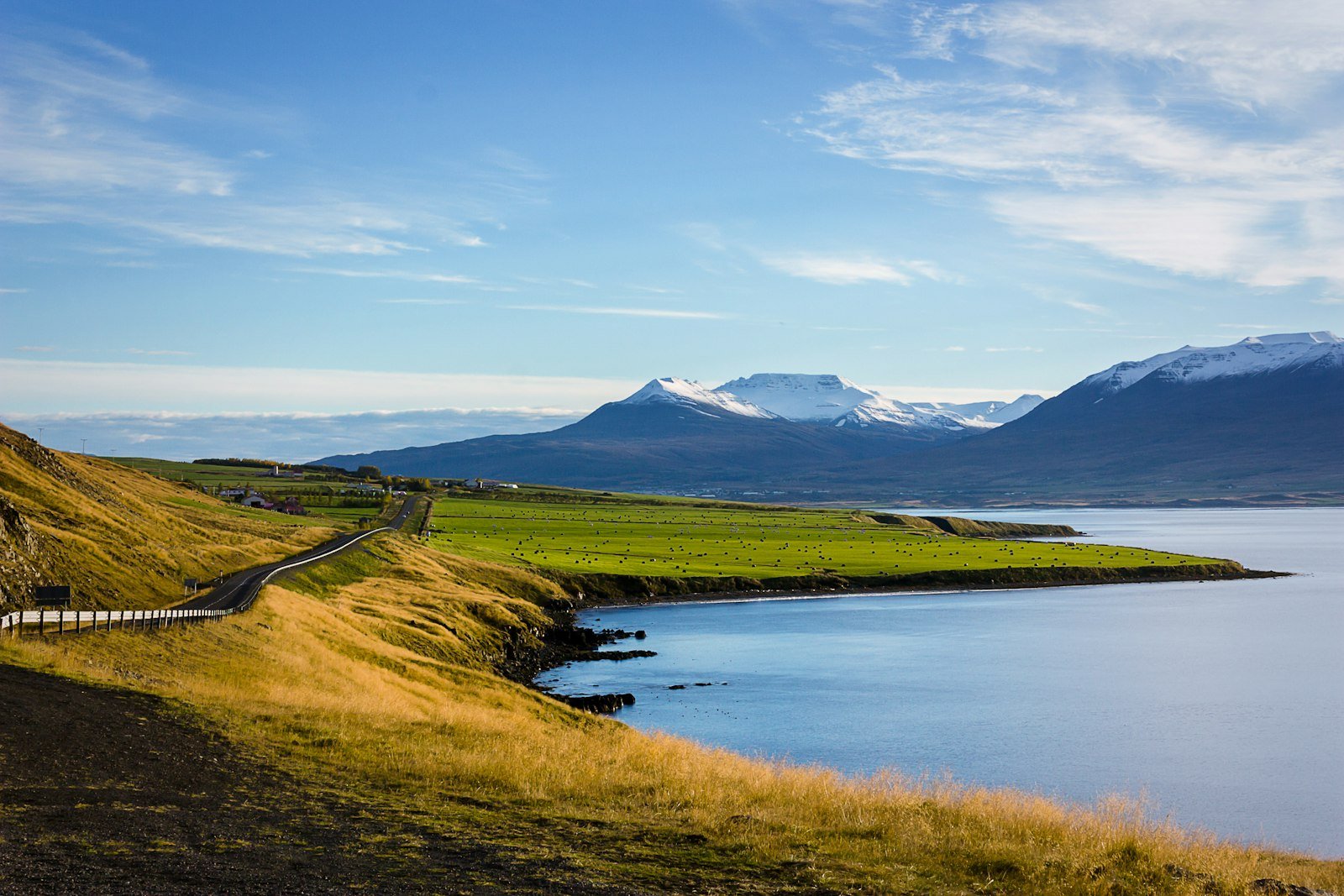
I nearly talked myself out of driving in Iceland. I had read too many forum horror stories about sandstorms stripping paint off cars, wind ripping doors off their hinges and tourists getting stuck in rivers. I am not a confident driver on a good day, so the idea of a 1,300-kilometer loop around a country famous for sideways rain made my stomach flip.
But everyone I trusted said the same thing: the only way to really see Iceland is with your own wheels. So I booked a small SUV, bought more insurance than I probably needed, and spent ten days driving the Ring Road with my best friend Carla. It was one of the best trips of my life. Here is everything I learned about renting a car in Iceland, including the bits the rental companies do not put in bold.
Do you actually need a car in Iceland?
If you are only staying in Reykjavik and doing the Golden Circle, you can get by with bus tours. For anything beyond that, a car is almost essential. Public transport outside the capital is limited, and so much of Iceland’s magic happens at random roadside stops: a waterfall that is not on any list, a field of Icelandic horses, a black-sand beach with nobody else on it. You cannot plan those moments from a tour bus window.
Choosing the right car
The right car depends on two things: when you are going and whether you plan to drive the F-roads.
- Summer, Ring Road only: A small two-wheel-drive car is completely fine. Route 1 is paved nearly all the way around.
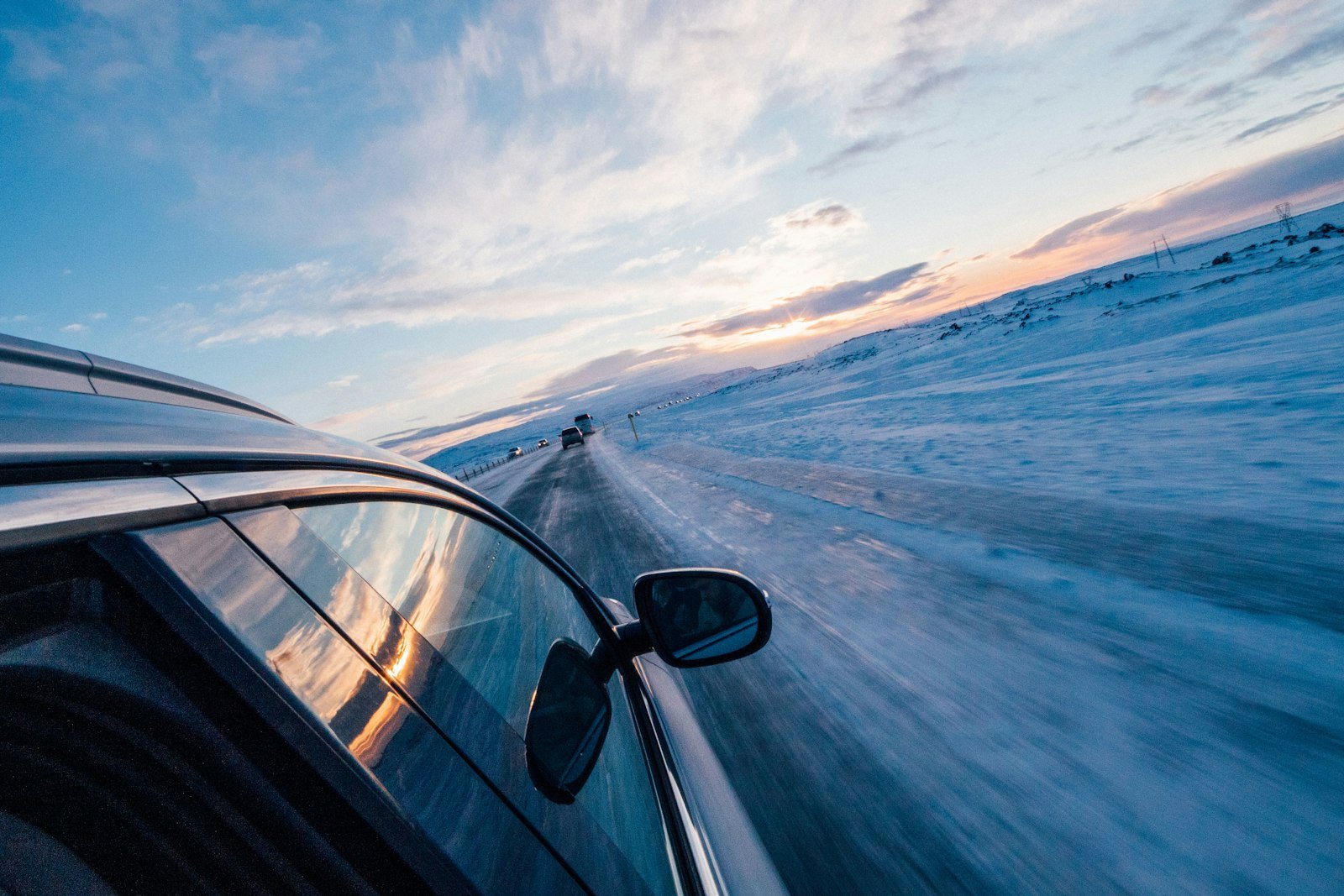
- Winter (roughly October to April): Get a four-wheel drive. Snow and ice can appear with very little warning, especially in the north and east.
- Highlands and F-roads: These mountain roads are only open in summer and legally require a 4×4. Driving a 2WD car on an F-road voids your insurance completely.
We went in late September and chose a compact 4×4 (a Dacia Duster, the unofficial car of Iceland). It handled a surprise snow flurry in the Eastfjords beautifully, and I was very glad not to be in a tiny hatchback that day.
Rental car insurance in Iceland, explained simply
This was the part that confused me most, so let me break it down. Most rentals include basic Collision Damage Waiver (CDW), but it comes with a high excess, meaning you still pay a big chunk if something happens. Then there are extra add-ons that are specific to Iceland:
| Insurance | What it covers | Did I get it? |
|---|---|---|
| CDW / SCDW | Collision damage. The “super” version lowers your excess. | Yes, the super version |
| Gravel Protection (GP) | Chips and cracks from flying gravel, mostly windscreen and paint | Yes, and I needed it |
| Sand and Ash Protection (SAAP) | Damage from sandstorms on the south coast | Yes, for peace of mind |
| Theft Protection | Theft of the vehicle | Usually included |
| Tire / Wheel cover | Punctures and wheel damage | Optional |
Important: most rental policies in Iceland do not cover damage from river crossings, wind blowing a door open, or animals on the road. That door thing is real. Always park facing into the wind and hold the door with both hands when you open it. I learned this the hard way when a gust nearly yanked the passenger door out of Carla’s hand at Reynisfjara.
Wendy’s tip: Check whether your credit card offers rental car coverage in Iceland before you pay for extras. Many cards exclude Iceland-specific damage like gravel or sand, so read the fine print carefully.
Pick-up day: protect yourself with a video
Before you drive away, walk around the car and take a slow video of every panel, the windscreen, the tires and the interior. Point out every existing scratch out loud. It takes three minutes and it is the best protection you have if there is a dispute when you return the car. Our rental company was honest, but I have heard enough stories to never skip this step.
Driving rules and road realities
- Speed limits: Generally 90 km/h on paved rural roads, 80 km/h on gravel and 50 km/h in towns. Speed cameras are common and the fines are eye-watering.
- Headlights on at all times, day or night. It is the law.
- Single-lane bridges: Look for signs reading “Einbreið brú”. Whoever reaches the bridge first has the right of way, so slow down and be polite.
- Never stop on the road for photos. I know the view is incredible. Pull into a proper lay-by. Tourists stopping on the shoulder cause many accidents each year.
- Sheep are everywhere in summer, and they have zero road sense.
Every morning, we checked two official websites before setting off: the Icelandic Road Administration map for road closures and conditions, and SafeTravel.is for weather alerts and safety warnings. The weather can change completely in an hour, and a road that is open at breakfast can close by lunch.
Fuel, charging and money
Gas stations are frequent around Reykjavik and the south, but the gaps get long in the east and north. My rule was simple: once the tank dropped below half, we filled up at the next station.
Many stations are unmanned and pay-at-the-pump. Some foreign cards will ask for a PIN, so make sure you know yours. We also bought a prepaid fuel card from one of the big chains in Reykjavik as a backup, which saved us at a lonely station near Höfn at 9 p.m.
Electric rentals are becoming popular, and fast chargers are spreading, but I would still only rent an EV if you are sticking to the south and west or you are comfortable planning charging stops carefully.
Parking fees at popular sights
Several well-known spots, including Þingvellir National Park, Seljalandsfoss and parts of the south coast, now charge for parking. Payment is usually by app or at a machine, and some rental companies pass on unpaid parking fines with an extra admin fee. Budget a little for parking so it does not catch you off guard.
Our 10-day Ring Road pacing
For a first-timer, I think ten days is the sweet spot for the full loop. Seven is possible but rushed. Here is roughly how we split it:
- Reykjavik and the Golden Circle (2 nights)
- South coast: Vík and the black-sand beaches (2 nights)
- Jökulsárlón glacier lagoon and Höfn (1 night)
- Eastfjords (1 night)
- Lake Mývatn and Húsavík (2 nights)
- Akureyri and the drive back west via Snæfellsnes (2 nights)
We never drove more than about four hours a day, which left time for the random stops that made the trip so special.
Returning the car
Wash off the worst of the mud if you can, refuel to the agreed level, and take another video at drop-off. Check your credit card statement for a few weeks afterwards for any unexpected charges. Ours came back clean, and I am still a little proud of that.
Would I rent a car in Iceland again?
In a heartbeat. The nerves disappeared after the first day, and driving with nothing but mountains, waterfalls and the occasional sheep ahead of us was pure joy. Book the right car for the season, get sensible insurance, check the road and weather sites daily, and you will be absolutely fine.
If you are flying through Asia on your way to Europe, you might also like my guide on getting from Narita or Haneda to central Tokyo. And if you have a question about your own Iceland road trip, just ask.

Leave a Reply