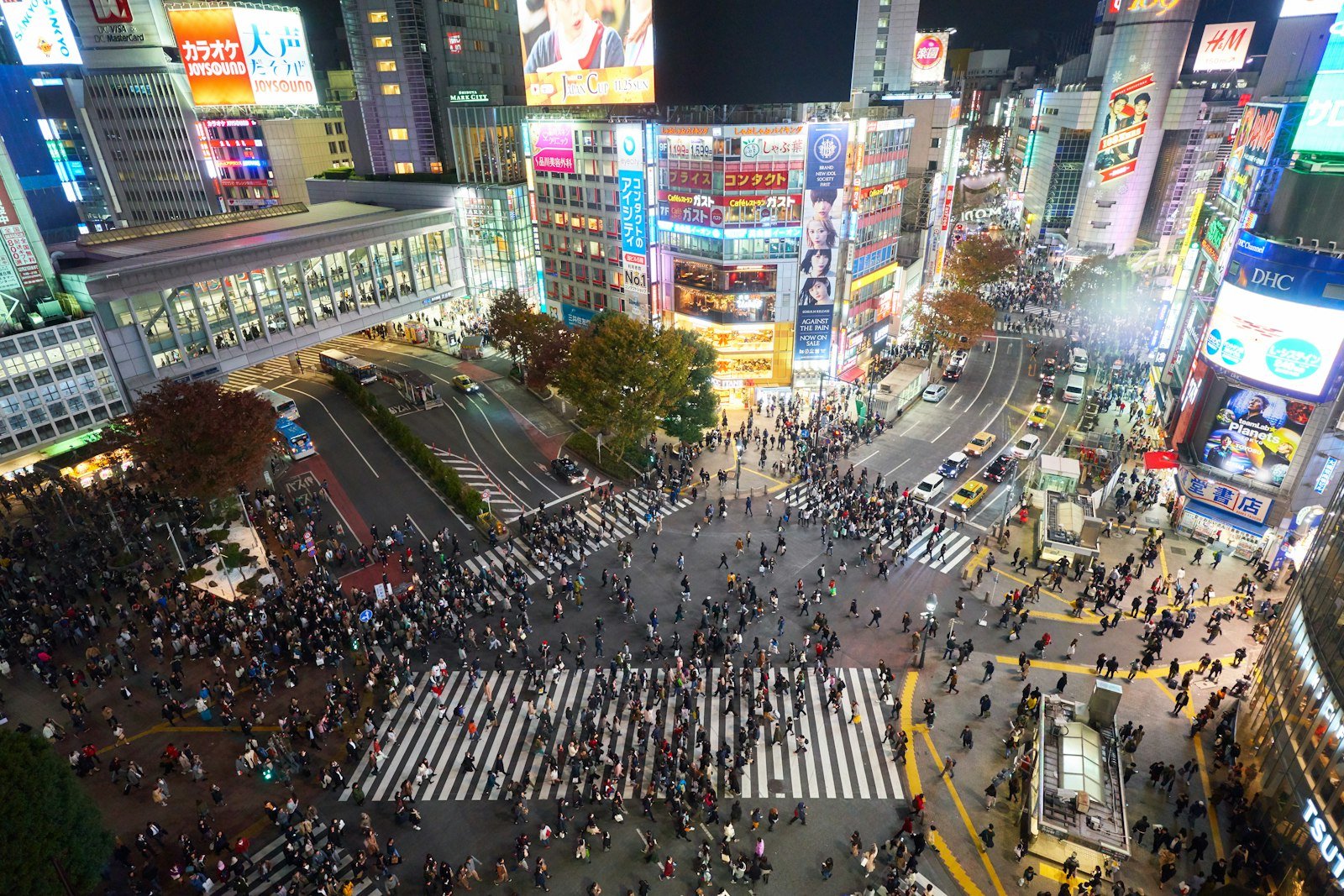
The first time I landed in Tokyo, I stood in the arrivals hall at Narita for a full twenty minutes, staring at signs for the Skyliner, the Narita Express, the Access Express and about four different bus companies. I was jet-lagged, hungry and convinced I was going to pick the wrong one and end up somewhere near Mount Fuji. Spoiler: I picked the most expensive option, got off at the wrong exit of Tokyo Station, and dragged my suitcase for fifteen minutes in the rain.
I have flown into Tokyo six times since then, through both Narita and Haneda, and I finally have the arrival process down to a calm, coffee-in-hand routine. This guide is everything I wish someone had told me on that first trip: which airport you are actually flying into, the best way to get from Narita to Tokyo (and from Haneda), what it costs, and a few small tricks that make your first hour in Japan so much easier.
First, which Tokyo airport are you landing at?
Tokyo has two international airports, and they are very different in terms of distance. Haneda (HND) sits right on Tokyo Bay, roughly 30 minutes from the city center. Narita (NRT) is actually in Chiba Prefecture, about 60 to 70 kilometers away, so plan on an hour or more to reach central Tokyo.
If you are still booking flights, Haneda is almost always the easier arrival, especially for late-night landings. Budget carriers and a lot of flights from Southeast Asia land at Narita, though, so do not stress if that is where you end up. Both airports are clean, well signed in English and surprisingly easy once you know which train to look for.
Before you even leave the plane
A few minutes of prep before landing saves a lot of standing around. Here is what I do on every trip now:
- Fill out Visit Japan Web before you fly. This is the government’s online immigration and customs form. You get QR codes that you scan at the arrival kiosks instead of filling out paper cards. You can register on the official Visit Japan Web site, and I screenshot my QR codes in case the airport Wi-Fi is slow.
- Sort out your data. I buy an eSIM a few days before the flight and activate it as soon as we land. Pocket Wi-Fi rentals are still available at both airports if you prefer them.
- Get a little cash. Japan is much more card-friendly than it used to be, but smaller restaurants and shrines can still be cash only. The 7-Eleven ATMs in the arrivals area accept most foreign cards.
Get an IC card first: Suica or PASMO
An IC card is a rechargeable transit card that you tap at the ticket gates. It works on almost every train, subway and bus in Tokyo, and you can even use it at convenience stores and vending machines. It is the single best thing you can have in your pocket as a first-timer.
Visitors can buy a Welcome Suica (designed for tourists, no refundable deposit) at JR East travel service centers in both airports. If you have an iPhone or a compatible Android phone, you can also add a Suica or PASMO card to your phone wallet and top it up with a credit card. I switched to the phone version on my last trip and I will never go back. No more fishing for a card at the gate while a line of salarymen waits patiently behind me.
Wendy’s tip: Load at least 5,000 yen onto your IC card at the airport. The airport train fare alone can take a big bite, and topping up in a crowded station at rush hour is not fun with a suitcase.
How to get from Narita to Tokyo
There are three realistic options from Narita. Which one is best depends almost entirely on where your hotel is.
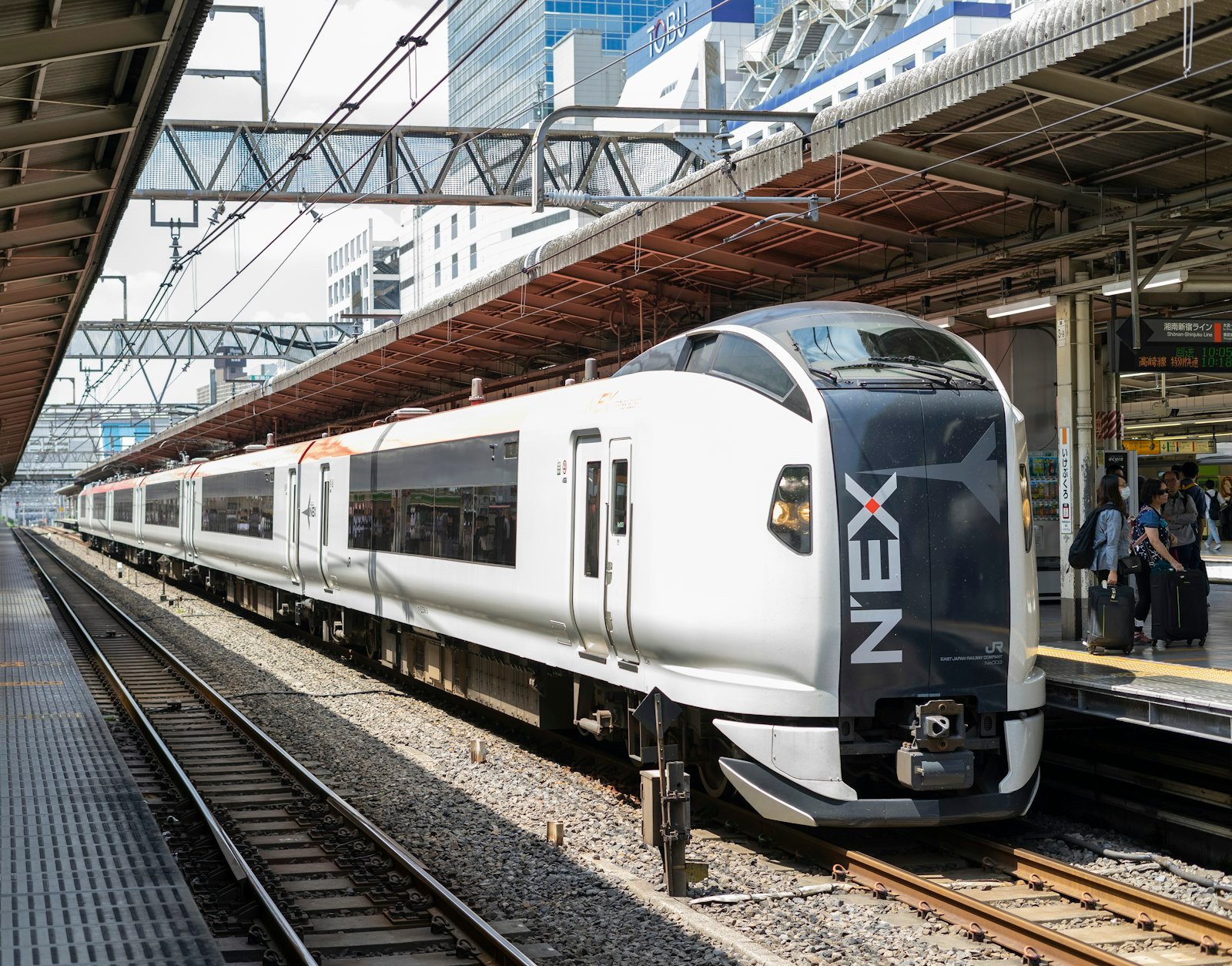
1. Narita Express (N’EX): best for Tokyo Station, Shinjuku and Shibuya
The Narita Express is JR East’s airport train, and it runs directly to Tokyo Station in about an hour, then continues to Shinagawa, Shibuya, Shinjuku and Ikebukuro. All seats are reserved, there are luggage racks with combination locks, and the seats are comfortable enough to nap in. You can check current timetables and the discounted round-trip ticket for foreign visitors on the JR East Narita Express page.
This is my pick when I am staying around Shinjuku or Shibuya, because there is no need to change trains with a big suitcase.
2. Keisei Skyliner: fastest to Ueno and Nippori
The Skyliner is the fastest train from Narita, reaching Nippori in about 36 minutes and Ueno a few minutes later. If you are staying in Ueno, Asakusa or anywhere on the east side of the city, this is the one. It is also great value if you buy the ticket as a bundle with a Tokyo Subway Ticket.
3. Airport Limousine Bus or the budget buses
The Airport Limousine Bus stops directly at many major hotels, which is a lifesaver if you are traveling with kids, parents or three suitcases (no judgment). The cheaper shuttle buses to Tokyo Station and Ginza cost roughly half the price of the train but take longer in traffic. I took one on a budget trip and it was perfectly comfortable, just slower.
| Option | Best for | Approx. time to city |
|---|---|---|
| Narita Express (N’EX) | Tokyo Station, Shinjuku, Shibuya | 60 to 90 min |
| Keisei Skyliner | Ueno, Nippori, Asakusa | 36 to 45 min |
| Keisei Access Express | Budget travelers heading to Asakusa or Ginza | 60 to 75 min |
| Airport Limousine Bus | Door-to-hotel convenience | 75 to 120 min |
Fares change, so always check the operator’s website before you fly. Times are what I experienced outside rush hour.
How to get from Haneda to Tokyo
Haneda is so close to the city that even a taxi is reasonable if you split it between two or three people. For solo travelers, though, the trains are quick and cheap.
- Keikyu Line: Runs to Shinagawa in around 15 minutes and continues straight onto the Asakusa subway line. It is my go-to because Shinagawa connects to the JR Yamanote Line, which loops around all the main neighborhoods.
- Tokyo Monorail: Goes to Hamamatsucho, where you can switch to the JR lines. The views of Tokyo Bay are lovely on a clear day.
- Limousine Bus: Just like at Narita, it stops at major hotels and train stations.
- Taxi: Haneda has fixed-fare taxis to many central wards. They are worth it after a red-eye when your brain is not working.
Arriving late at night? Read this
This is where people get caught out. Trains in Tokyo stop running around midnight, and the last airport trains leave earlier than that. On my third trip, my flight from Manila landed at Narita at 11:40 p.m., and by the time I cleared immigration there were no trains left at all.
If you are landing late, you have a few options: book a hotel near the airport (there are several connected to or near Narita), check the late-night bus schedules in advance, or budget for a taxi from Haneda. I now book late arrivals into Haneda whenever possible, because it has more night buses and a much cheaper taxi ride into the city.
Getting from the station to your hotel
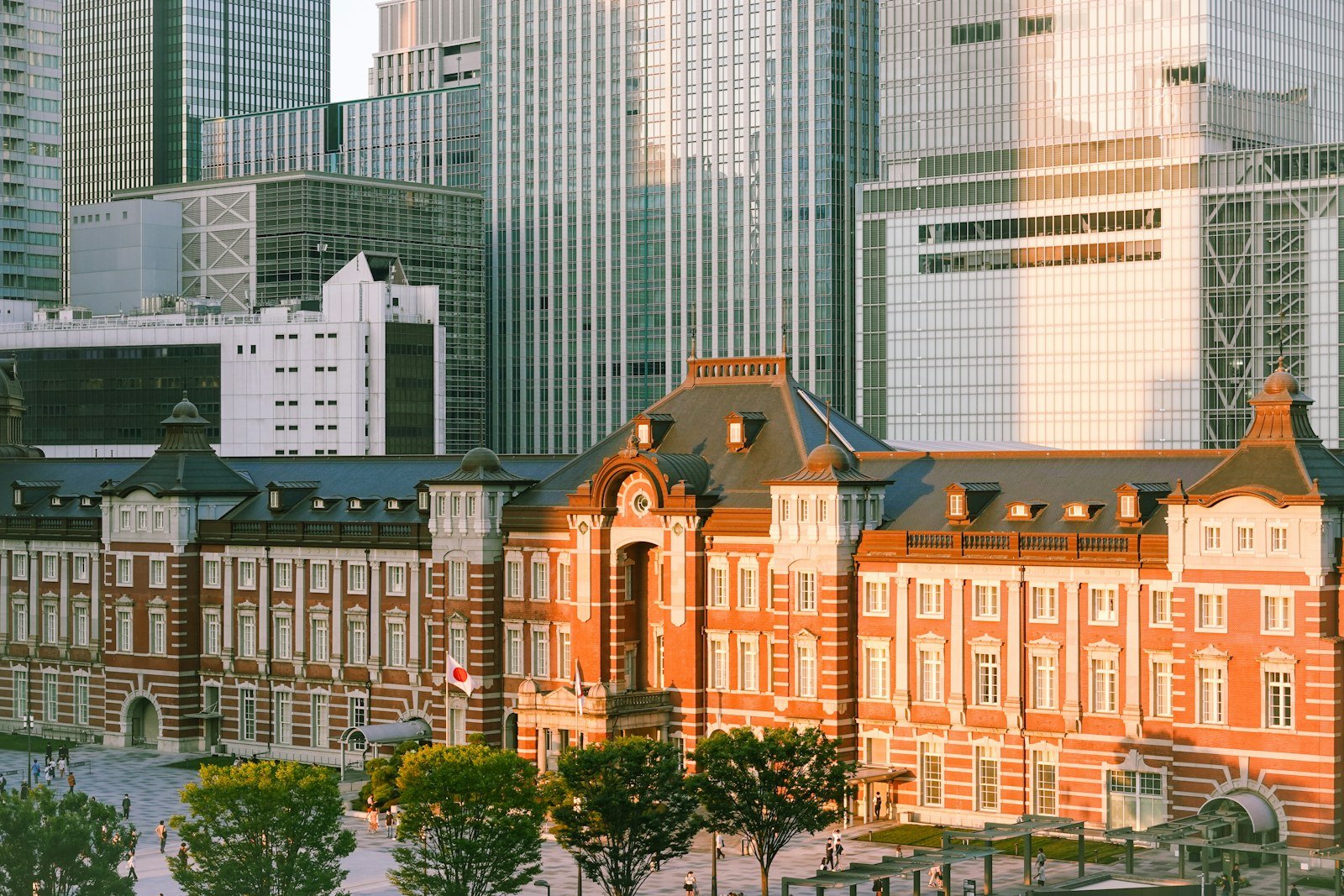
Tokyo’s big stations are like small cities. Shinjuku has more than 200 exits, and picking the wrong one can mean a 15-minute detour above ground. Before you land, look up the exact exit closest to your hotel (most hotel websites mention it) and write it down. Then follow the yellow exit signs inside the station.
Google Maps is excellent in Tokyo and tells you which carriage to board so you end up close to the right stairs. It even shows platform numbers. For more planning ideas, the Japan National Tourism Organization website has solid official guides for first-time visitors.
Common mistakes I made so you do not have to
- Buying a JR Pass just for the airport train. After the big price increase, the nationwide JR Pass only pays off if you are doing several long bullet train trips. Do the math before buying one.
- Traveling at rush hour with a large suitcase. Between 7:30 and 9:30 a.m. the trains are packed. If you land in the morning, have a coffee at the airport and wait it out.
- Not checking hotel check-in times. Most Tokyo hotels check in at 3 p.m. They will happily store your bags, so drop them and go explore.
- Forgetting about luggage forwarding. Takkyubin services can send your big bags from the airport straight to your hotel, usually by the next day. I did this on a family trip and walked into the city with just a tote bag. Absolute bliss.
My honest recommendation
If you are landing at Narita and staying in Shinjuku or Shibuya, take the Narita Express. Staying in Ueno or Asakusa? Take the Skyliner. Landing at Haneda? Hop on the Keikyu Line or the monorail and you will be at your hotel before your coffee gets cold.
Whatever you choose, get your IC card sorted first, fill out Visit Japan Web before you fly, and give yourself permission to go slowly. Your first hour in Tokyo does not have to be perfect. Mine certainly was not, and I still fell in love with the city by dinner time.
Have a question about your own Tokyo arrival? Leave a comment below or send me a message. I read every single one.

Leave a Reply