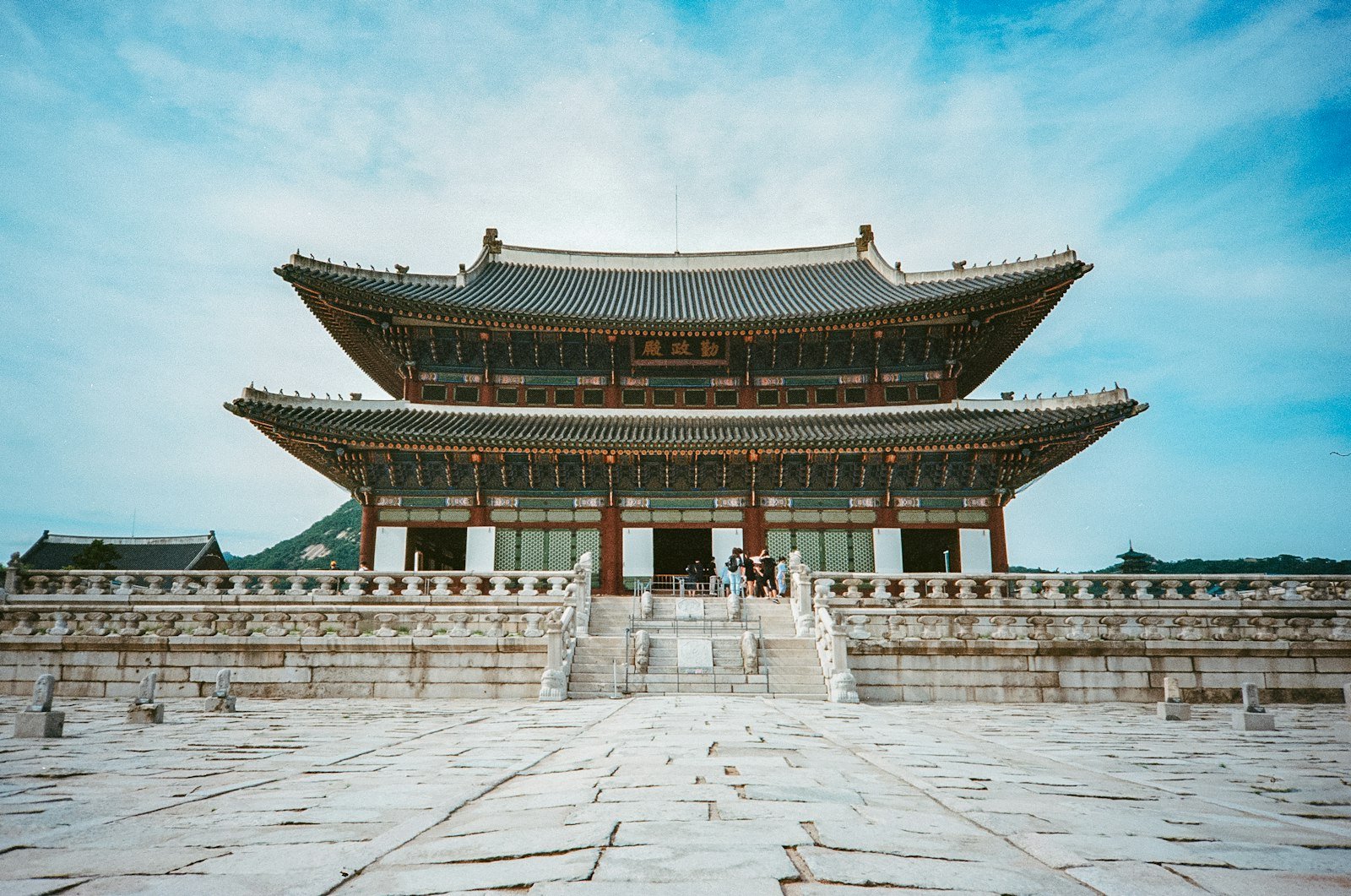
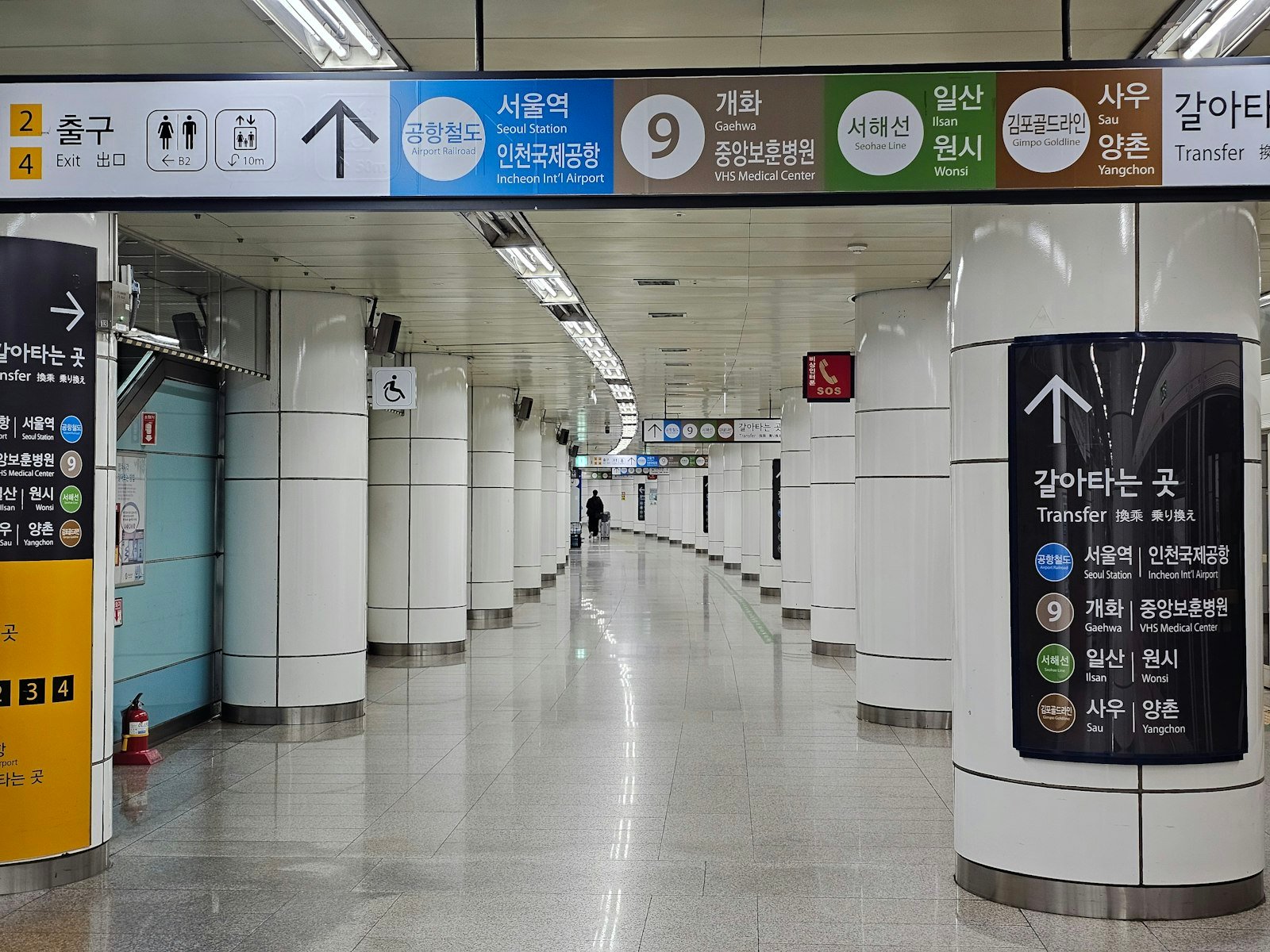
My first trip to Seoul was supposed to be a quick, cheap long weekend. My flight from Manila landed at Incheon a little after 6 a.m., and I walked out of the arrivals hall into the cleanest, calmest airport I had ever seen. Then I froze in front of a wall of signs for trains, buses and something called “limousines”, and had no idea which one would get me to my guesthouse in Hongdae.
I have been back to Seoul four times since (it is only about four hours from Manila, which is dangerous for my savings). Getting from Incheon Airport to Seoul is honestly one of the easiest airport transfers in Asia once you know your options. Here is everything I wish I had known that first morning.
Before you land: paperwork and money
- Check your entry requirements. Depending on your passport, you may need a visa or a K-ETA (Korea Electronic Travel Authorization) before you fly. Rules for exemptions change, so always check the official K-ETA website and the Korean embassy in your country.
- Get a T-money card. This rechargeable transport card works on the subway, buses, the airport railroad and even taxis and convenience stores. You can buy one at any convenience store in the arrivals hall and top it up with cash.
- Data: I buy a Korean eSIM before I fly. Naver Map and KakaoMap work much better than Google Maps for walking directions in Korea, so download one of them too.
Wendy’s tip: Most T-money top-up machines only accept cash, so withdraw some won at the airport ATM before heading to the trains.
Option 1: AREX Express Train (fastest to Seoul Station)
The Airport Railroad Express (AREX) has two services. The Express Train runs non-stop from Incheon to Seoul Station in around 45 to 50 minutes, with reserved seats and space for luggage. It is perfect if you are staying near Seoul Station, Myeongdong or Namdaemun, or if you are connecting to a KTX train to Busan.
You buy Express Train tickets at the AREX counters or machines in the transportation center. Timetables and fares are on the official AREX website.
Option 2: AREX All-Stop Train (cheapest and my favorite)
The All-Stop Train uses the same line but stops at stations like Gimpo Airport, Digital Media City, Hongik University (Hongdae) and Gongdeok before reaching Seoul Station. It takes around an hour, costs much less than the express, and you can just tap your T-money card.
If you are staying in Hongdae, which is where I always stay now, this is the obvious choice. Hongik University Station is a direct stop, so you can be out on the street with your suitcase in under an hour.
Option 3: Airport limousine buses (best with heavy luggage)
Do not let the name confuse you, these are comfortable coaches, not stretch cars. Airport limousine buses run to almost every part of Seoul, including Gangnam, Jamsil, Myeongdong, Dongdaemun and many major hotels. Buy tickets at the counters in the arrivals hall, and the driver will load your bags underneath.
On a trip with my mom, we took the limousine bus straight to our hotel in Myeongdong. No stairs, no transfers, no dragging suitcases through subway stations. It took a bit longer because of traffic, but it was worth every won for her knees.
Option 4: Taxis
Taxis are easy to find outside arrivals. Regular taxis are cheaper, while deluxe (black) taxis and the larger jumbo taxis cost more. Highway tolls are added to the fare, and there is a late-night surcharge. A taxi makes sense if you are arriving very late, traveling as a group of three or four, or heading somewhere far from the train line.
| Option | Best for | Approx. time to central Seoul |
|---|---|---|
| AREX Express | Seoul Station, KTX connections | 45 to 50 min |
| AREX All-Stop | Hongdae, Gongdeok, budget travelers | About 60 min |
| Limousine bus | Hotels, Gangnam, heavy luggage | 60 to 90 min |
| Taxi | Late nights, small groups | 50 to 70 min |
Times are what I experienced outside rush hour. Always check current schedules and fares before you travel.
Arriving late at night
The airport trains stop running around midnight, and the last services leave earlier than that. A few late-night buses run to major areas of Seoul, but they are less frequent. If you land after 11 p.m., consider booking a hotel near the airport, a taxi, or check the night bus schedule before you fly.
Which area should you stay in?
- Hongdae: Young, artsy and full of cafés, street performers and nightlife. Direct airport train.
- Myeongdong: Shopping and street food central. Great for first-timers.
- Insadong and Jongno: Close to the palaces and traditional teahouses.
- Gangnam: Modern, polished and a bit further from the historic sights.
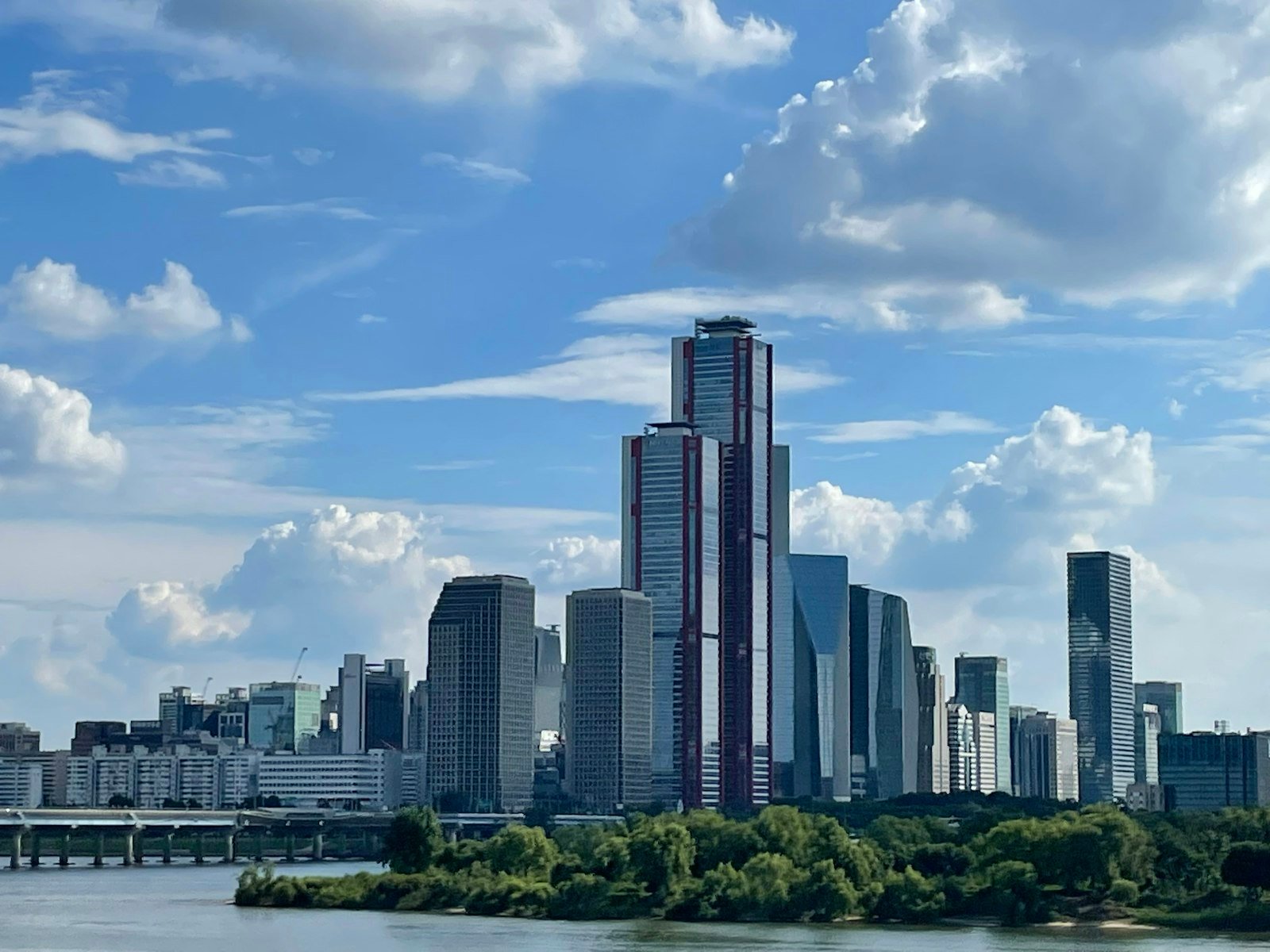
For more ideas on what to do once you arrive, the official Visit Korea website has excellent free guides and maps.
My first-afternoon plan in Seoul
After dropping my bags, I like to keep the first day easy. Take the subway to Gyeongbokgung Palace, rent a hanbok nearby if you are feeling playful (wearing one gets you free palace entry), and then wander through Bukchon Hanok Village and Insadong. End the day with Korean barbecue and an early night. Jet lag is mild coming from Manila, but those early flights are brutal.
My honest recommendation
If you are staying in Hongdae or along the airport line, tap your T-money card and take the All-Stop Train. Staying near Seoul Station or catching a KTX? Take the Express. Traveling with lots of luggage, kids or parents? The limousine bus to your hotel is a lifesaver. Whatever you choose, you will be eating tteokbokki in the city within a couple of hours.
Flying into Japan on the same trip? Read my guide on getting from Narita or Haneda to Tokyo. The two cities pair beautifully.

Leave a Reply