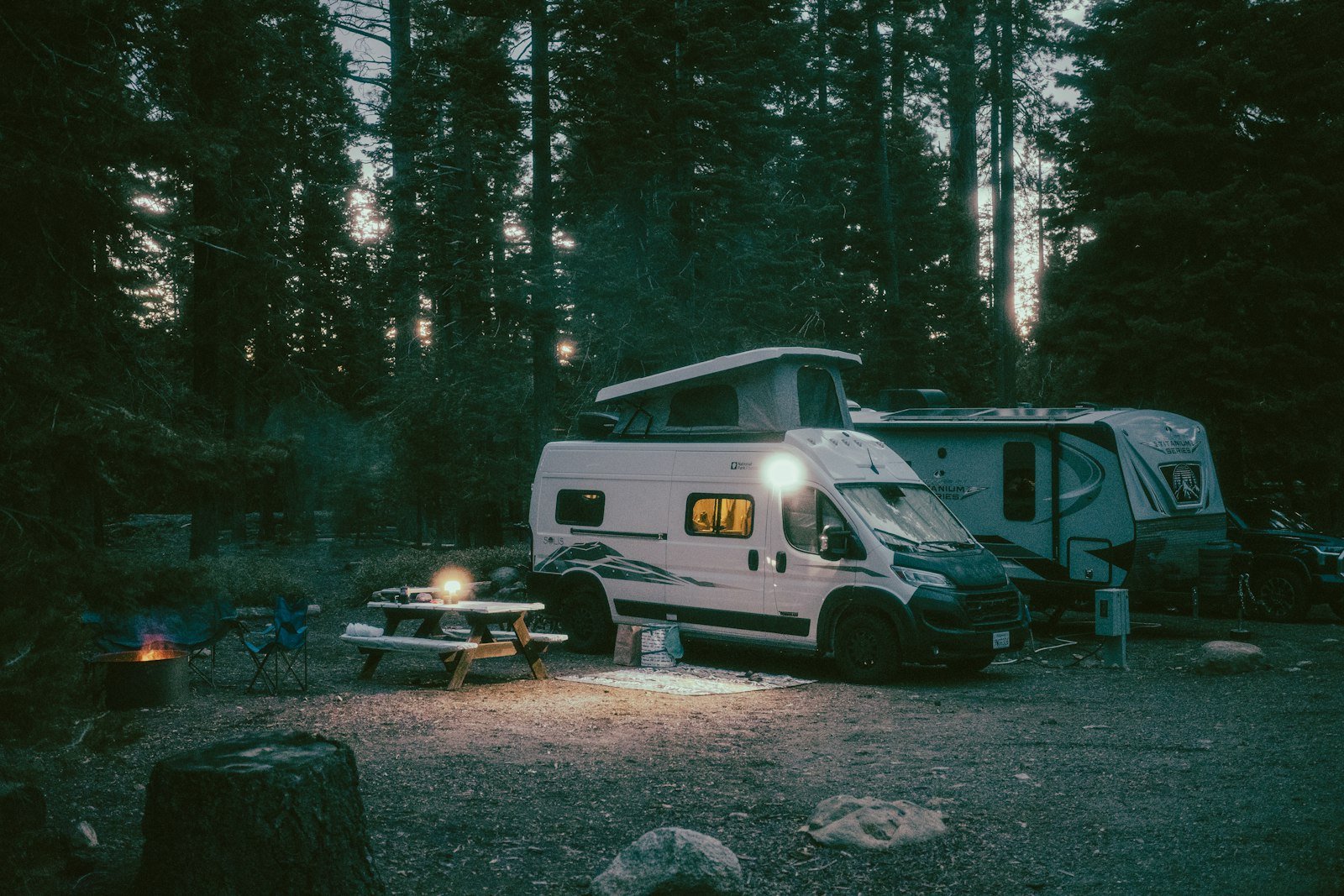
There is a moment on every New Zealand road trip when you pull over at a lookout, switch off the engine and just sit there in silence. For me, it happened at Lake Tekapo on our second day. The water was an unreal shade of turquoise, the mountains still had snow on top, and my best friend Carla and I were eating instant noodles cooked in the back of our campervan. It felt like the best hotel room in the world.
We spent twelve days driving a campervan around New Zealand’s South Island, from Christchurch down to Queenstown and Milford Sound and back up the West Coast. I had never driven anything bigger than a hatchback before, so I made a few rookie mistakes. Here is everything I learned about campervan rental in New Zealand, so your trip goes more smoothly than ours did on day one.
Campervan or car and motels?
A campervan gives you freedom, and you wake up in some unforgettable places. But it is not automatically cheaper. Between the rental, fuel and campsite fees, it can cost about the same as a small car plus budget motels, especially in peak season. You choose a campervan for the experience, the flexibility and those mornings with a mountain view from your bed.
Choosing the right campervan
- Size: A two-berth van is plenty for a couple or two friends. Bigger motorhomes are comfortable but harder to drive and park on narrow mountain roads.
- Self-contained certification: If you want to use freedom camping spots, your van must be certified self-contained, which means it has a fixed toilet and water storage. Check this before you book.
- Kitchen and heating: A good fridge, a two-burner stove and a heater make a huge difference, especially outside summer.
- Automatic transmission: Most rentals are automatic, which helped me enormously on the hills.
Insurance: go for low or zero excess
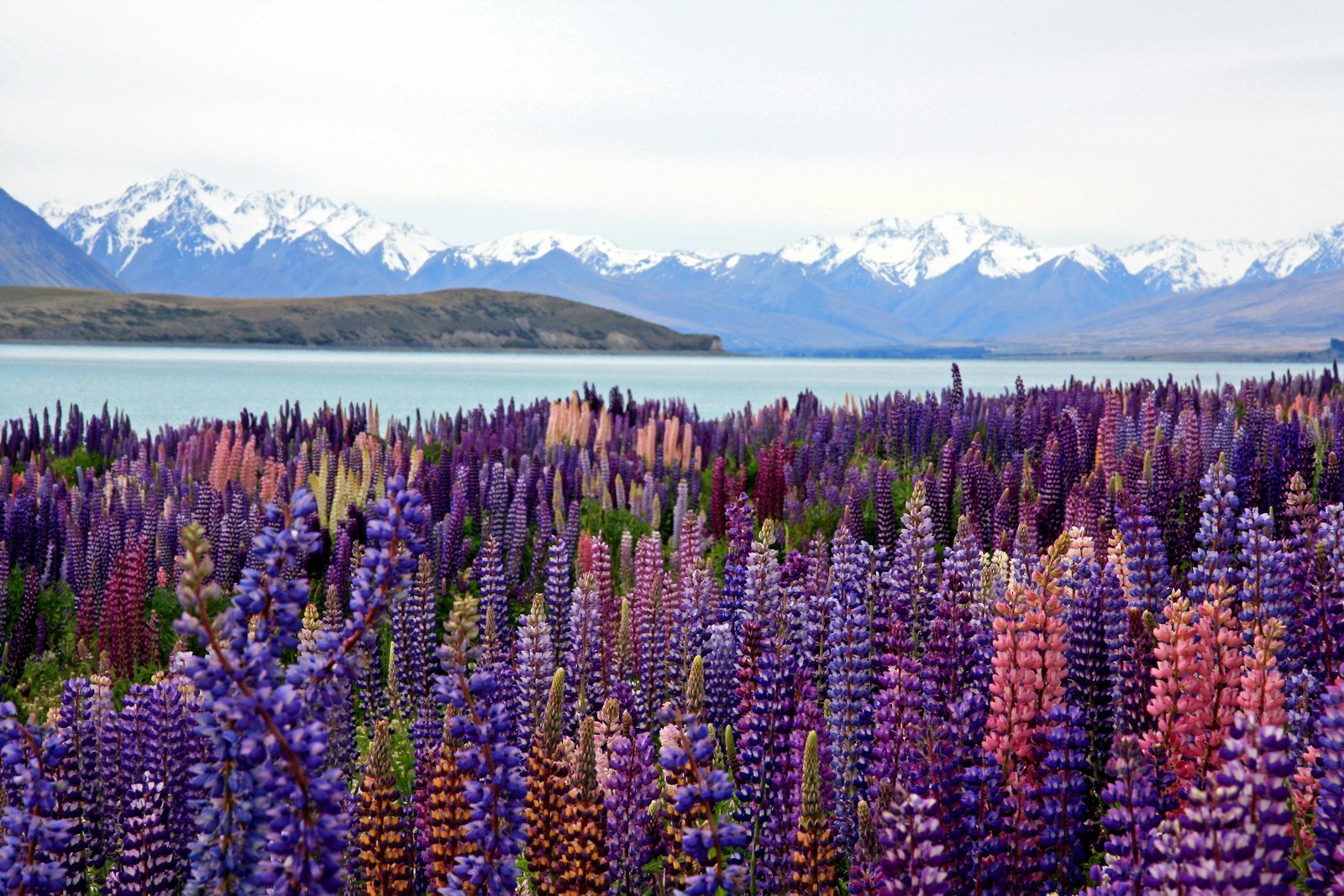
Campervans are big, roads are narrow and gravel is everywhere. I strongly recommend paying for the rental company’s top-tier insurance, which reduces your excess to zero or close to it. Read what is excluded, too. Common exclusions include damage to the roof (low bridges and tree branches), the underbody and single-vehicle rollovers. Our premium cover also included windscreen and tire damage, which gave us real peace of mind on the gravel road to our campsite near Mount Cook.
Driving in New Zealand: the basics
- Drive on the left. Say “stay left” out loud at every turn for the first few days. I am not joking. It helps.
- Distances take longer than you think. Roads are winding, often single-lane in each direction, and you will stop constantly for photos. Plan for an average of around 60 to 70 km/h.
- One-lane bridges are very common. Signs show who has priority. Slow down and give way when it is not your turn.
- Pull over to let traffic pass. Campervans are slow on hills. Use the slow vehicle bays and let locals by.
- Fill up often. Fuel stations can be far apart in rural areas.
The NZ Transport Agency’s guide for visiting drivers is worth reading before you go. It covers the road rules, signs and things that catch tourists out.
Wendy’s tip: Download offline maps before you leave Christchurch or Queenstown. We lost phone signal for hours on the West Coast and in Fiordland.
Where to sleep: freedom camping, DOC sites and holiday parks
This is the part that confused me most, so here is the simple version:
| Option | What it is | Good to know |
|---|---|---|
| Freedom camping | Free spots where camping is allowed | Usually for certified self-contained vehicles only, and local rules vary |
| DOC campsites | Campsites run by the Department of Conservation | Basic but in stunning locations, low cost |
| Holiday parks | Private campgrounds with power, showers and kitchens | More expensive, but great for laundry and a hot shower |
We mixed all three. Every third night or so, we stayed at a holiday park to charge everything, do laundry and enjoy a long hot shower. You can find DOC campsites and their rules on the Department of Conservation website. Book holiday parks ahead in summer (December to February), especially near Queenstown, Wanaka and Milford Sound.
Fines for camping in the wrong place are real, so always check the signs and the local council rules. Use apps that show where you are allowed to camp, and never empty waste anywhere other than official dump stations.
Our 12-day South Island route
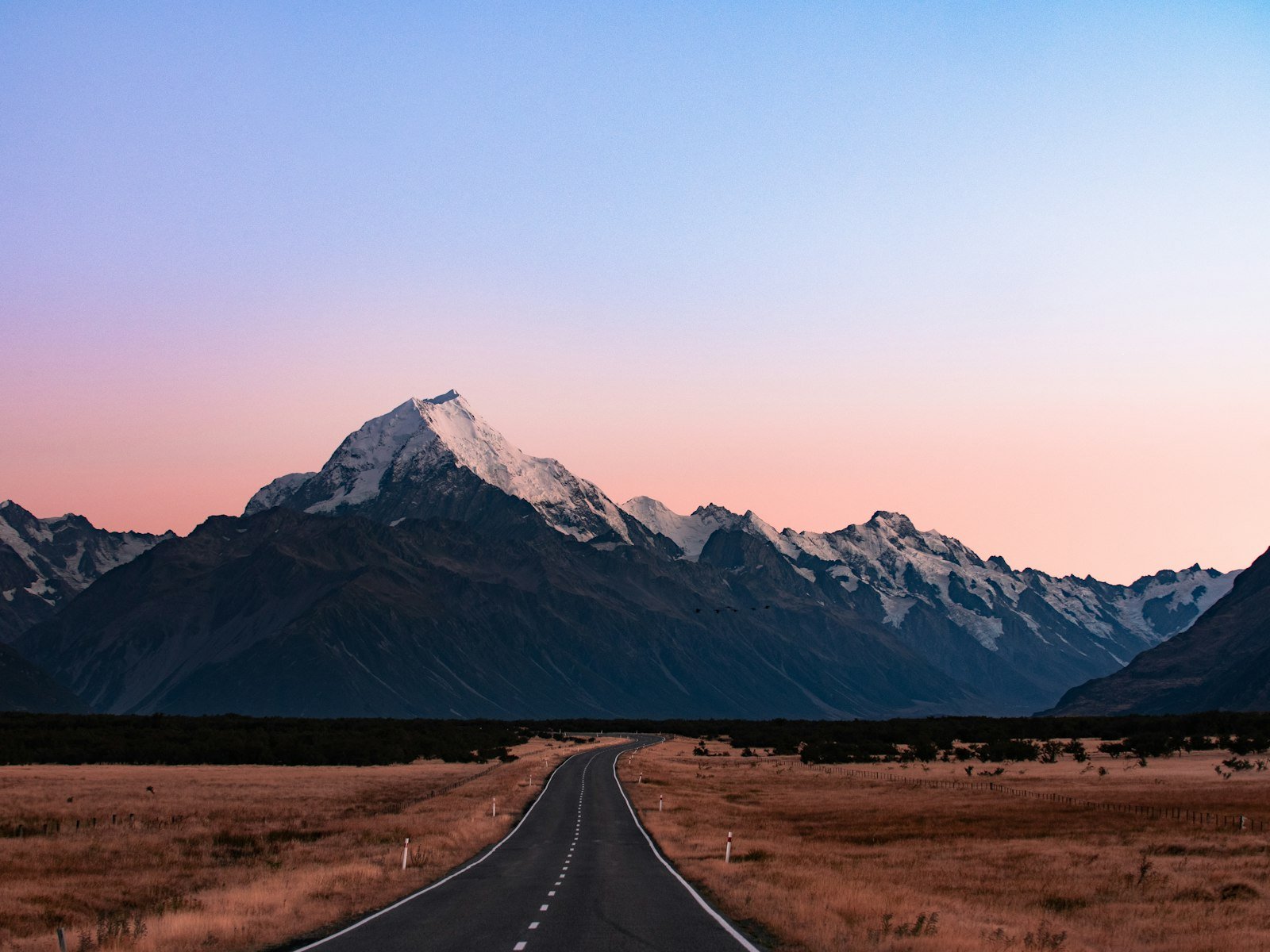
- Christchurch: pick up the van and stock up on groceries
- Lake Tekapo (2 nights)
- Aoraki/Mount Cook (1 night)
- Wanaka (2 nights)
- Queenstown (2 nights)
- Te Anau and Milford Sound (2 nights)
- West Coast glaciers via Haast Pass (1 night)
- Hokitika and Arthur’s Pass back to Christchurch (1 night)
Before you go
Many visitors need an NZeTA (electronic travel authority) and pay an international visitor levy before travelling. Check what applies to your passport on the official New Zealand immigration website. For trip ideas and seasonal advice, the official Tourism New Zealand site is a great place to start.
Would I do it again?
Absolutely, in a heartbeat. Waking up next to a glacier-fed lake, cooking breakfast with a view of the Southern Alps and never having to repack a suitcase made this one of my favorite trips ever. Pick a van you are comfortable driving, get good insurance, respect the camping rules and leave plenty of time for unplanned stops.
Love road trips as much as I do? Read my tips for renting a car in Iceland and renting a car in California.

Leave a Reply