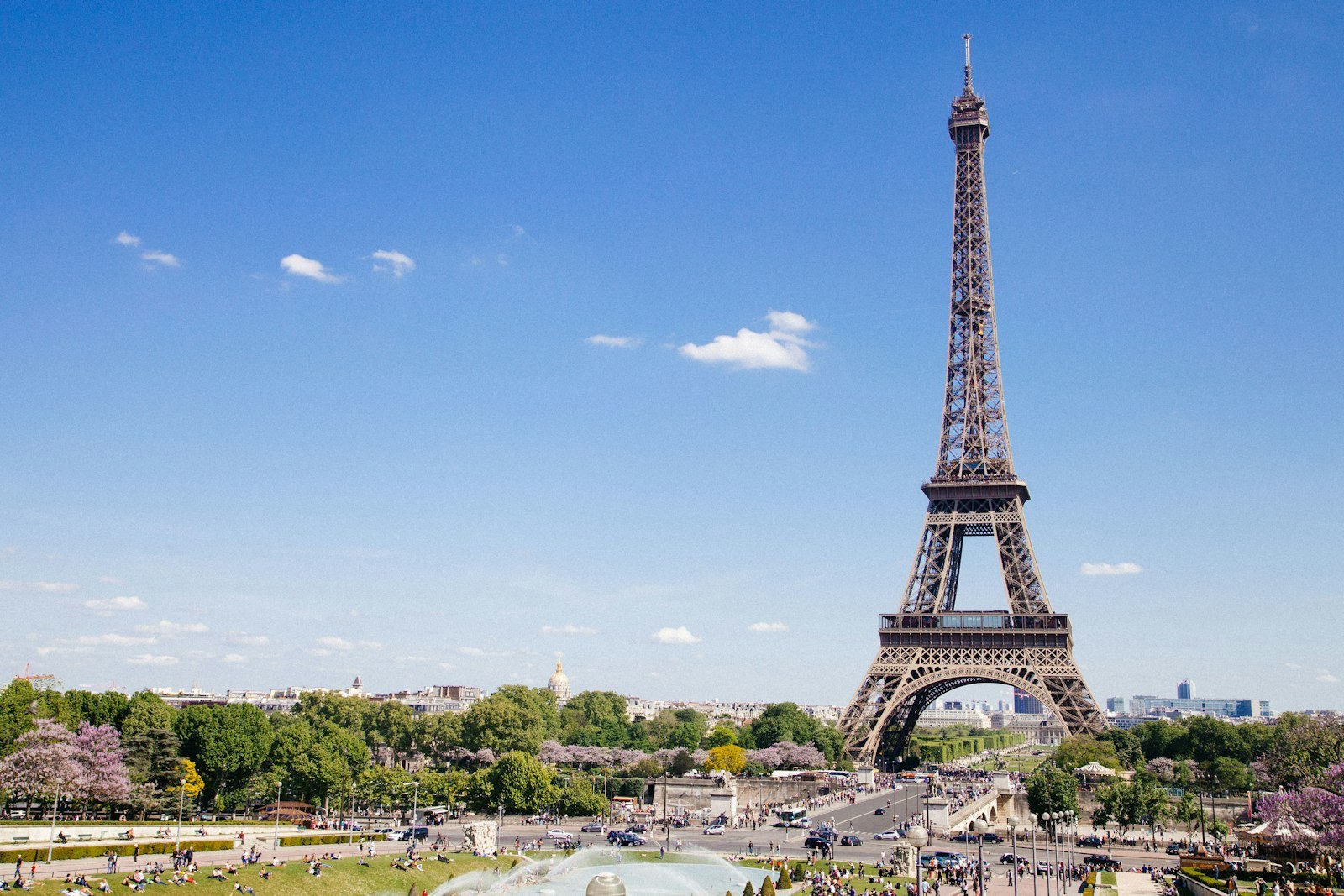
I cried a little the first time I saw the Eiffel Tower. Not in a dramatic movie way, more in a “wow, I actually saved up and made it here” way. I was 26, traveling with my older sister, and we had spent months planning every hour of our Paris trip on a shared spreadsheet. By day two, we had thrown half the spreadsheet out, and it was the best decision we made.
Paris rewards slow travel. The magic is not just in the famous sights but in long café lunches, evening walks along the Seine and wandering into a bakery just because it smells amazing. This relaxed 5-day Paris itinerary is the one I give to friends visiting for the first time. It covers the icons without leaving you exhausted.
Arriving in Paris: getting from the airport
Most international flights land at Charles de Gaulle (CDG), with some arriving at Orly (ORY).
- From CDG: The RER B train runs into central Paris in about 35 to 50 minutes, stopping at Gare du Nord, Châtelet and Saint-Michel. It is the cheapest option, but it can be crowded, so keep a hand on your bag. Taxis charge a fixed fare to the city, split into Right Bank and Left Bank prices.
- From Orly: Metro Line 14 now connects Orly directly to the city center, which makes this airport much easier than it used to be. Orly also has fixed-fare taxis.
For tickets and route planning, the RATP website and app are the official source. I loaded a Navigo Easy card with tickets on day one and used it for the whole trip.
Wendy’s tip: If you land after a long-haul flight with heavy luggage, just take the taxi. The fixed fare means no surprises, and you will arrive at your hotel calm instead of wrestling your suitcase up metro stairs.
Where to stay
For a first visit, I recommend Saint-Germain-des-Prés, the Latin Quarter or Le Marais. All three are central, walkable and full of cafés. The 7th arrondissement, around the Eiffel Tower, is beautiful and quiet but a little sleepy at night.
Day 1: the Seine, Notre-Dame and the Latin Quarter
Keep your first day easy while you adjust to the time difference. Start on Île de la Cité and admire Notre-Dame, which reopened after its long restoration and looks absolutely stunning. Visit Sainte-Chapelle nearby for its jaw-dropping stained glass (book a time slot ahead).
Cross into the Latin Quarter for lunch, browse the famous Shakespeare and Company bookshop, then walk along the Seine as the sun goes down. We ended our first night with crêpes eaten on a bench by the river, and it felt like the most Parisian thing in the world.
Day 2: the Louvre and the Tuileries
The Louvre is enormous, and you will not see it all, so do not try. Book a timed ticket in advance on the official Louvre website, choose the earliest slot and head straight to your must-sees. For most people, that is the Mona Lisa, the Winged Victory of Samothrace and the Venus de Milo.
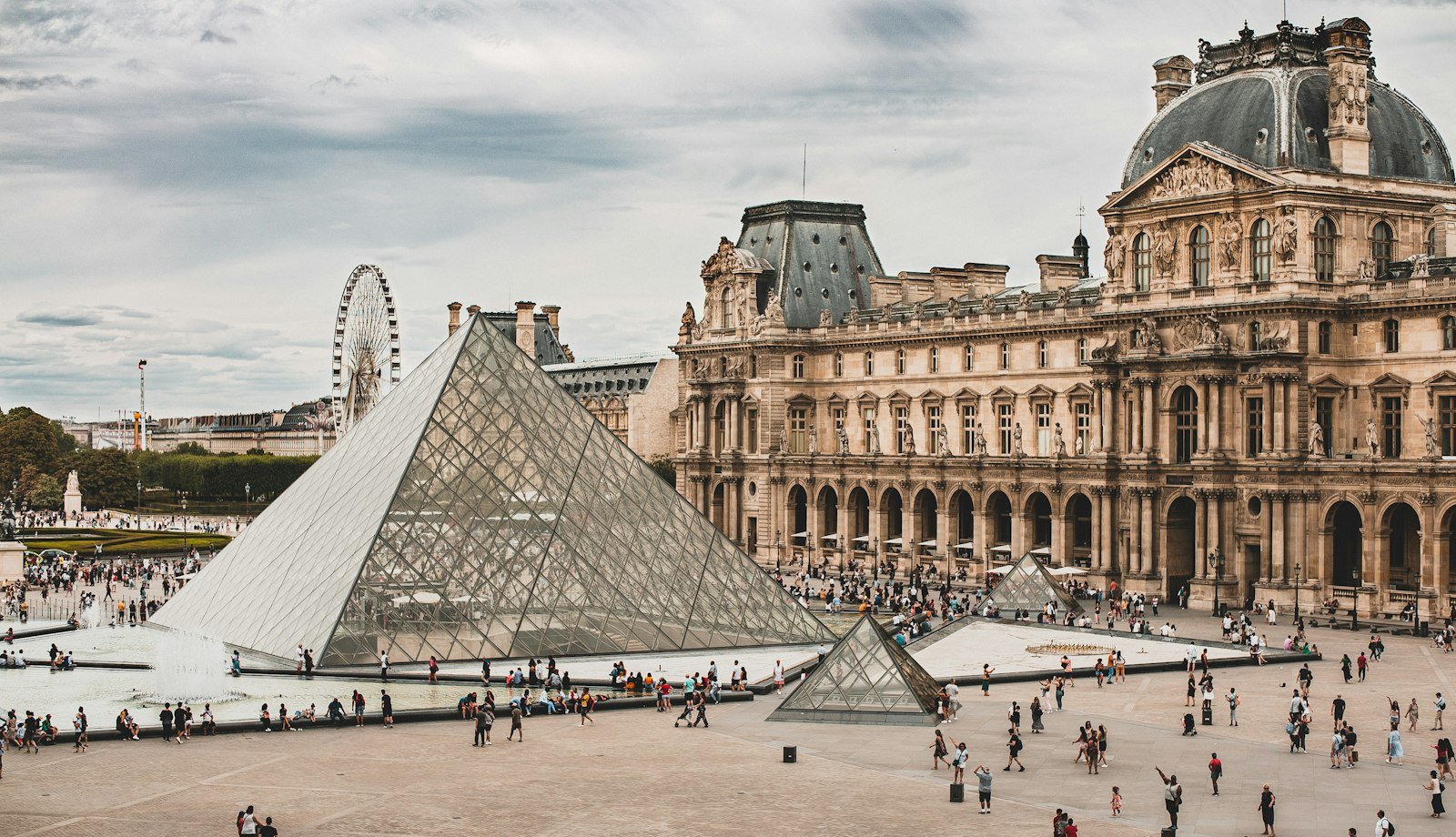
Afterwards, stroll through the Tuileries Garden to Place de la Concorde, then continue up the Champs-Élysées to the Arc de Triomphe. The view from the top of the Arc is one of my favorites in Paris, because you can actually see the Eiffel Tower in it.
Day 3: the Eiffel Tower and a Seine cruise
Book your Eiffel Tower tickets on the official Eiffel Tower website as soon as your dates are confirmed, as the summit tickets sell out quickly in peak season. We went up in the late afternoon and stayed to watch the sunset, then waited for the tower to sparkle on the hour after dark.
Before that, have a picnic on the Champ de Mars or visit the nearby Musée d’Orsay, which is my sister’s favorite museum in the world. In the evening, take a Seine river cruise. Many packages combine a cruise with dinner, but a simple one-hour cruise is lovely and much cheaper.
Should you buy a Paris Museum Pass?
The Paris Museum Pass gives entry to dozens of museums and monuments, including the Louvre, Musée d’Orsay, the Arc de Triomphe and Versailles. It is worth it if you plan to visit three or four paid sights a day. You still need to reserve time slots at some places, like the Louvre, so check each site before you go. We did the math and it saved us a little, but the real bonus was not having to buy separate tickets every day.
Day 4: Montmartre and Le Marais
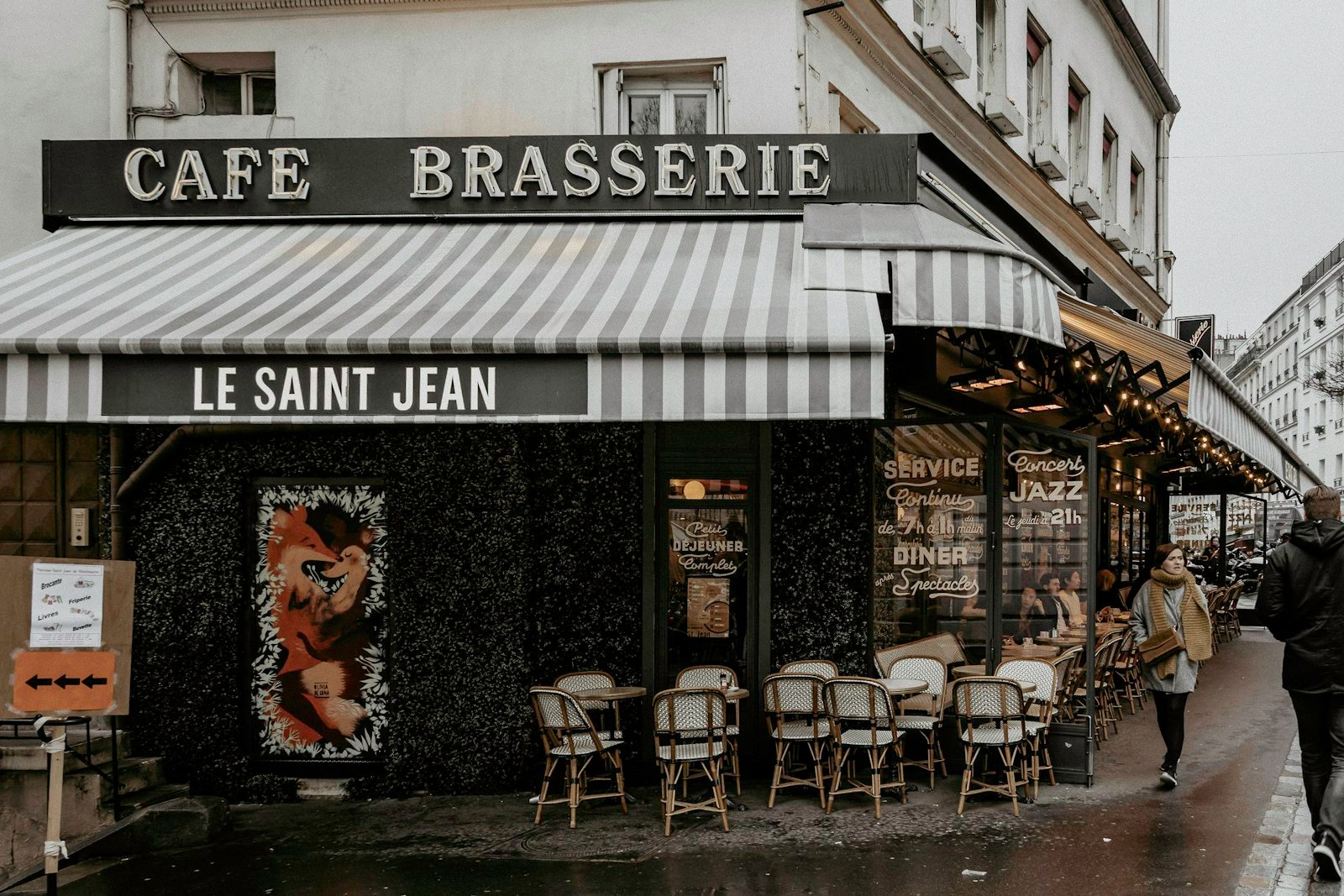
Start early in Montmartre, before the crowds, and climb up to the Sacré-Cœur Basilica for a sweeping view over Paris. Wander the little streets behind it, past Place du Tertre, where artists paint in the open air. Watch out for people offering friendship bracelets on the steps. They will tie one on your wrist and then demand money. A polite “non, merci” and keep walking.
In the afternoon, head to Le Marais for shopping, falafel on Rue des Rosiers and the beautiful Place des Vosges, the oldest planned square in Paris.
Day 5: Versailles
Spend your last day at the Palace of Versailles, just outside Paris. Take the RER C train or book a guided tour package with transport included. Arrive early, visit the palace first and then spend the afternoon in the gardens. Rent a bike or a golf cart if you want to reach Marie Antoinette’s estate at the far end, as the grounds are huge.
Paris tips I learned the hard way
- Always say “Bonjour” when you walk into a shop or café. It makes a huge difference to how you are treated.
- Many museums close one day a week. The Louvre is closed on Tuesdays, for example, so plan around it.
- Watch for pickpockets on the metro, around the Eiffel Tower and at Sacré-Cœur.
- Tap water is free. Ask for “une carafe d’eau” at restaurants.
- Wear comfortable shoes. We averaged more than 20,000 steps a day.
Final thoughts
Five days in Paris is enough time to see the highlights and still feel like you have lived there a little. Book the big-ticket sights ahead, leave space for long lunches and unplanned wandering, and do not feel guilty about skipping a museum for an extra hour in a café. That is the Parisian way, after all.
Visiting more of Europe on the same trip? My guides to where to stay in Rome and solo travel in Portugal could help you plan the next stop.

Leave a Reply